
Inside Israel News
Week of August 3, 2026


 URL has been copied successfully!


Week of August 3, 2026
URL has been copied successfully!
U.S and Iran Resume Cease-Fire and Hormuz Strait Reopening Talks
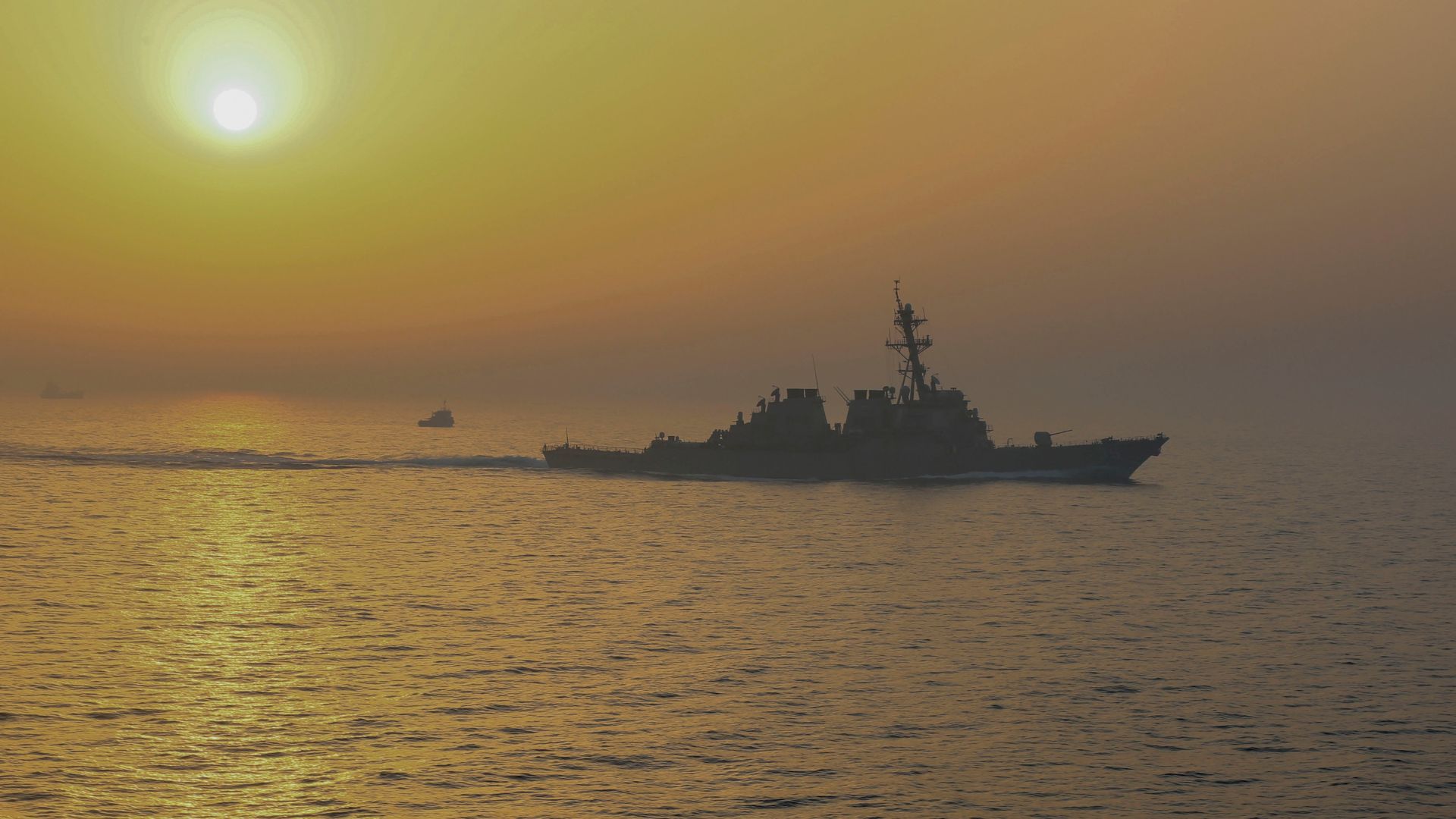
After over five months of virtually no ingress or egress, the Strait of Hormuz may finally be back in business—depending on the progress and outcome of the negotiations between Iranian and American diplomats and mediators.
US Treasury Secretary Scott Bessent was highly optimistic that sealing a deal between the two warring nations would promptly stabilize fuel and energy prices worldwide. On the other hand, other sources worry that a pending pact between Iran and Oman would grant the former nearly total control over commercial traffic on Hormuz.
Bessent tried to scotch any rumours that Iran could levy a toll on all cargo vessels entering and leaving the Strait. In contrast, Iranian officials warned that their government will most likely impose the tax on all maritime traffic there soon after Oman and Iran settle on an accord. Moreover, the proceeds would be split equally between both countries.
The agreement between Iran and Oman would also require that ships entering the Persian Gulf to gain access to the Hormuz Strait follow a trade route along the Iranian coast while vessels exiting the Strait and the Gulf remain within the territorial waters of Oman.
U.S. President Donald Trump has threatened to launch missiles on Iran should the nation renege on an accepted deal or refuse to negotiate. Nevertheless, there are allegations that the U.S. has nearly depleted its stockpiles of long-range, surface-to-surface rockets. If these claims prove true, then the U.S. would have to resort to far more destructive measures such as aerial bombardments.
The Strait of Hormuz is a conduit for 20-25% of the world’s crude oil. It was closed on February 28 when the U.S. initiated air strikes against Iranian arsenals, military bases, and government officials.
Pray for:


Israel-Lebanon Talks Resume Despite Hezbollah Opposition
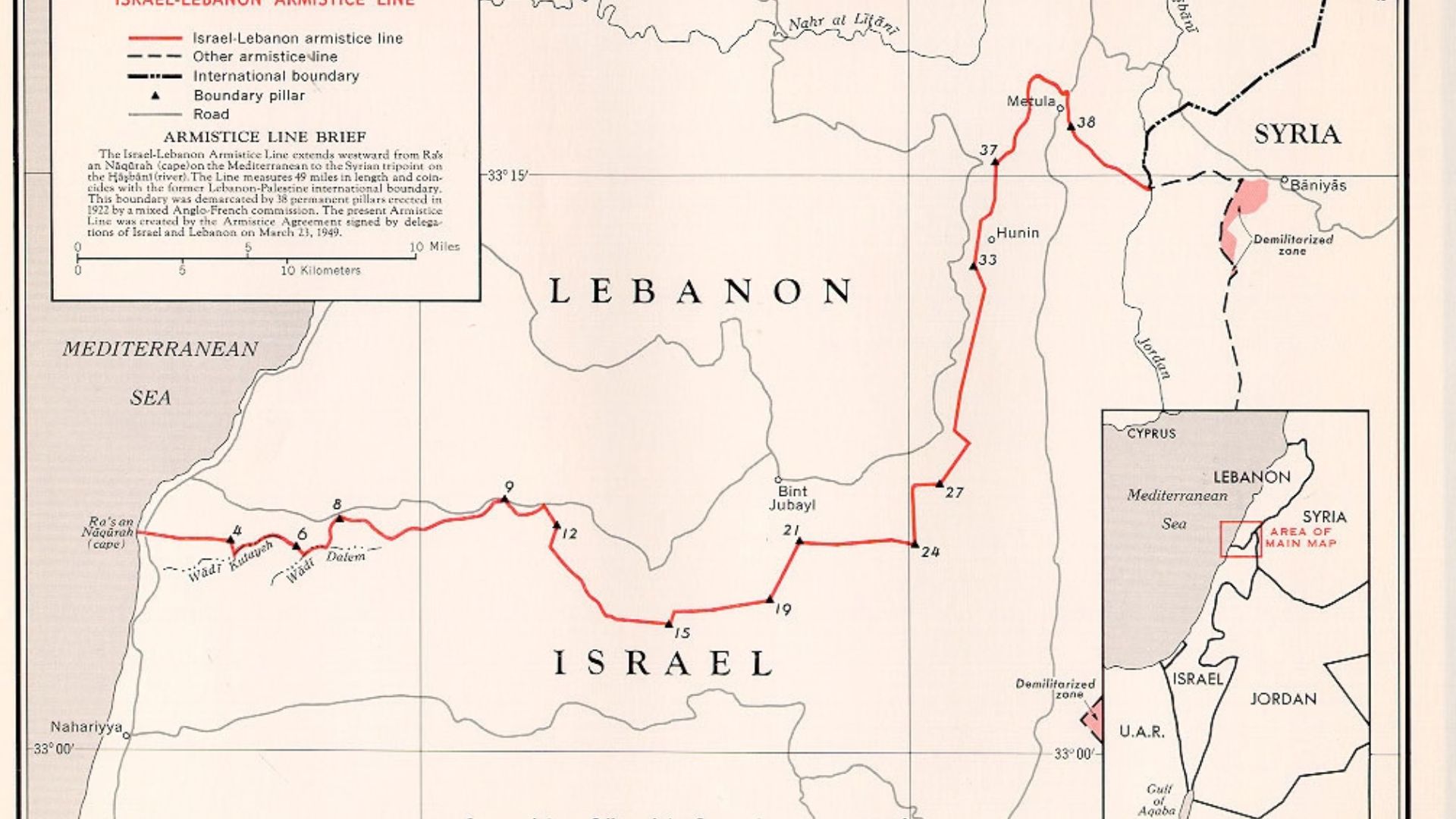
Diplomats and mediators representing Lebanon and Israel were hosted in Rome to revisit proposals for the incremental withdrawal of the IDF from southern Lebanon as well as the swift disarmament of Hezbollah and the establishment of “pilot zones” there.
The meeting in the Italian capital will be the seventh of its kind since Hezbollah dragged Lebanon into the active Middle East conflict and fired rockets on northern Israel last March. Israel retaliated with heavy aerial and ground strikes that apparently caused the deaths of over 4,000.
In contrast, Hezbollah leader Naim Qassem condemned both Nawaf Salam and Joseph Aoun—Prime Minister and President of Lebanon, respectively—for pulling their nation into a futile war against Israel and showing no regard whatsoever for the safety and welfare of their fellow citizens.
In Rome, the aims of Israeli negotiators will include the establishment of working groups addressing (1) land and sea borders; (2) status of pilot zones in which the Lebanese Armed Forces (LAF) have replaced the IDF; (3) Hezbollah disarmament; (4) curtailing Iranian financial aid to Lebanese Hezbollah; and (5) rebuilding war-ravaged southern Lebanon.
However, U.S. Ambassador to Lebanon Michel Issa cautioned that arbitrators on both sides must proceed gradually lest they inadvertently escalate existing hostilities and risk further jeopardizing military and civilian lives.
The IDF successfully and completely retreated from the Zawtar-al-Gharbiyyeh pilot zone and was replaced by the LAF there. The latter removed substantial amounts of ordnance from the Syrian Army to demonstrate to Israel their military might. Lebanese military spokespersons also reported that Israel still periodically shells known Hezbollah strongholds in southern Lebanon.
Pray for:
Major Development slated for West Bank Heritage Sites
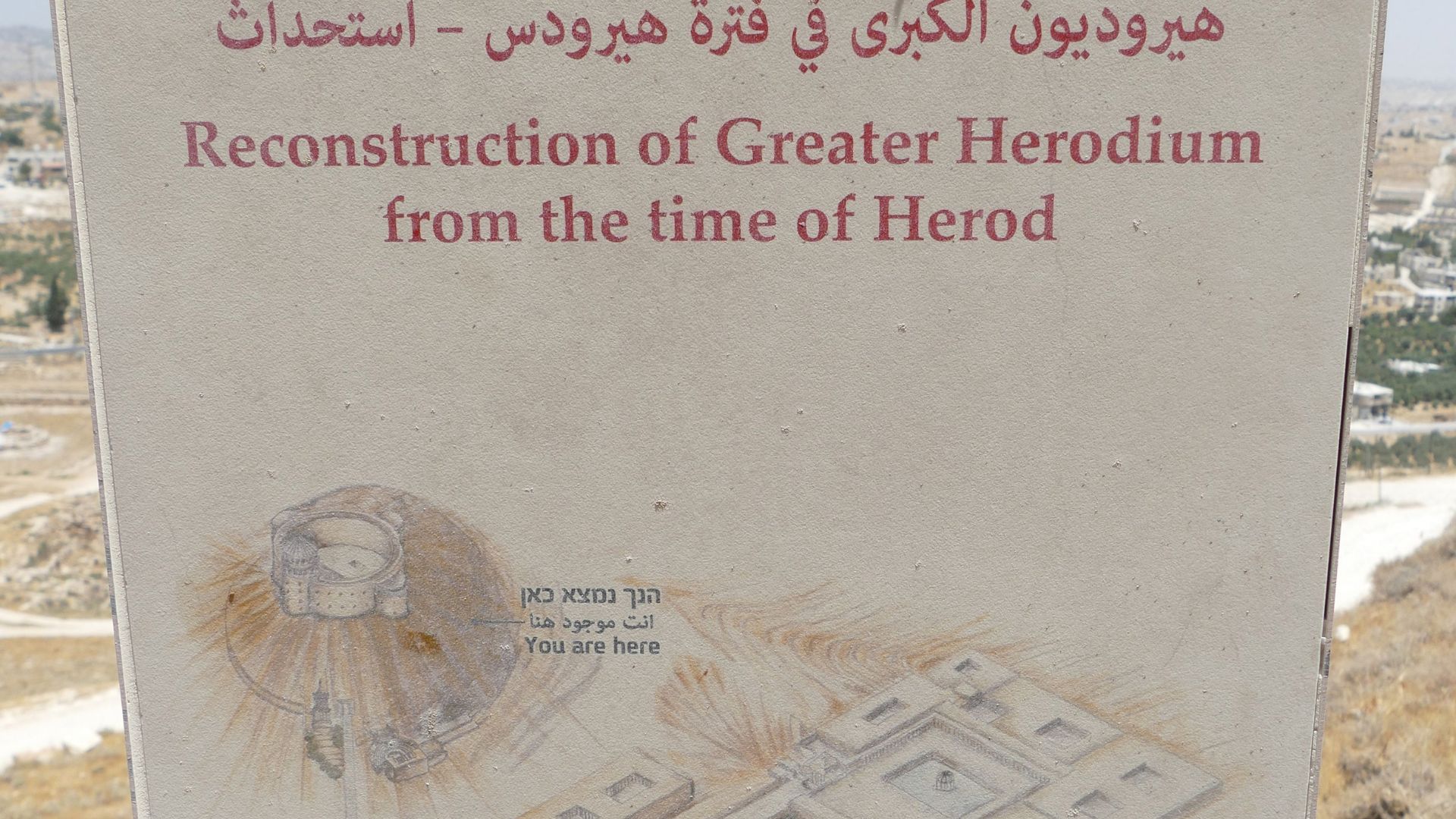
Israeli Finance Minister has tabled a plan to revitalize most of the heritage sites in the West Bank region of the country.
Since October 7, 2023, the Israeli economy has been decimated by the hyperinflation and substantial decline in tourism that usually ensue from war.
Minister Smotrich’s steering committee approved the allocation of NIS 113 million (nearly 40 million USD) to refurbish at least seventy heritage sites throughout the West Bank, including the Cave of the Patriarchs in Hebron, the Qumran Caves in the Judean Desert, Herodion National Park, and the village of Sebastia.
The funds will be used to promote domestic and foreign tourism in the region, preserve and protect fragile structures and artefacts, expand and advance excavations, improve public access, develop infrastructure, and deter or prevent looting and vandalism.
Extensive preparatory research was conducted by the Finance Ministry in collaboration with the Settlement Administration of the Defense Ministry and the Archaeology Unit of the Civil Administration. The latter oversees the preservation, management, protection, and development of all antiquities in the West Bank.
Prior efforts to refresh ancient sites in the West Bank have been met with strong criticism from the Judea and Samaria Heritage Authority which opposes what it refers to as the Israeli or Zionist occupation of the West Bank and the Gaza Strip. Other organizations have echoed these objections.
Nevertheless, the Netanyahu Administration approved a NIS 250 million (about 80 million USD) heritage site preservation project across the West Bank, the Jordan Valley, and the Judean Desert. A portion of those funds would be directed toward erecting heritage centres intended to foster archaeological and historical research and educate both domestic and foreign visitors.
Tens of millions of shekels will also be distributed to enhance the existing infrastructure, safeguard delicate structures and relics, and maximize the number of the 2,600-plus sites in the region that can be transformed into major tourist destinations.
Pray for:
Israel Develops Technology to Help Prevent Air Collisions
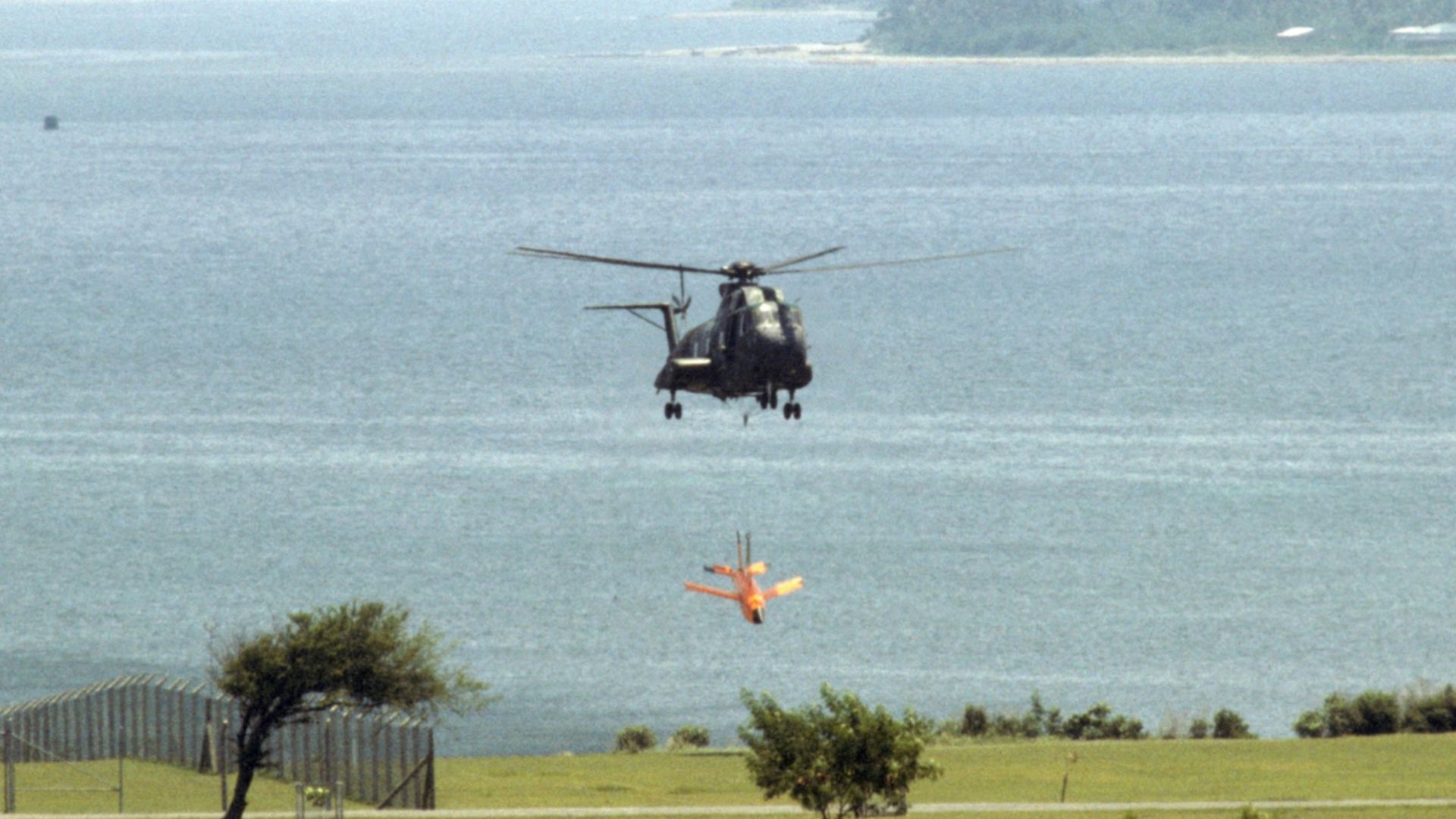
The summer heat has ignited wildfires on a global scale, and helicopters and airplanes are often deployed to help extinguish these conflagrations with seawater or inert fire retardants.
Multiple vehicles must be dispatched to cover very large regions, thereby increasing the risk of airborne collisions. Poor visibility, smoke, navigation system and air traffic control failure and other factors contribute to these accidents.
Recently, two firefighters were killed when the helicopters from which they were releasing water to extinguish a wildfire in Greece struck each other. Miraculously, both pilots survived, and one of the vehicles landed intact. In response, engineers with the Israeli branch of aviation multinational Ciconia began to design and test aerial anti-collision systems for helicopters, planes, and drones.
Such catastrophes are by no means unfamiliar to civilian and military aviators in Israel. In 1997, a deadly helicopter collision resulted in the deaths of 73 IDF soldiers and airmen. Ciconia has already been developing decentralized aerial collision avoidance systems since that incident, and has successfully tested its technology on Black Hawk helicopters used by the Israel Air Force.
Nevertheless, the IAF has still not made any contractual commitment to implement the Ciconia anti-collision system on a large scale. Meanwhile, the aviation company has taken its business abroad: civilian firefighting teams in Texas and California have seriously considered adopting Ciconia technology to control the nearly annual summertime forest fires that plague both states.
The Ciconia system provides helicopter and small airplane pilots with ambient aircraft location and potential collision risk data and instructions for evasive maneuvers. It also furnishes drones with maneuvering data via flight control computers. This system eliminates the need for pilots to rely upon directives from any centralized air traffic control.
Pray for:
“Angels of Light” Children’s Ministry Camp in Israel

We have just completed our summer camp for children ages 9–12. In recent years, the security situation in Israel has remained unstable, and we often live with the concern that another escalation could begin at any time. Because of this, we have adapted our ministry and now organize smaller camps for 20–25 children. This allows us to remain flexible, and at the same time, give each child more personal attention.
Once again, we saw that the Lord brings exactly those who need to come. Most of the children attending this camp come from not-yet-believing families. This created a unique opportunity not only to introduce the children to God’s Word, but also to build relationships with their parents and share the gospel with whole families.
The theme of the camp was “Agents of Light.” We transformed the program into a fictional “Heavenly Security Agency,” and every child became a special Agent of Light. During the week, we spoke about light and darkness, good and evil, and the many voices competing for our hearts. Most importantly, the children learned that Yeshua is the true Light of the world, and that becoming an Agent of Light begins with receiving and following Him.
The five days were filled with worship, prayer, Bible lessons, games, swimming, creative activities, visits to an indoor play center, pizza-making, desserts, and many personal conversations. Every child carries a unique story. Some come from difficult or broken family situations and carry emotional pain that is not always visible. For many, this camp became more than a time of fun—it was also a place of safety, friendship, encouragement, and emotional healing. We know that each child heard the salvation story of Jesus and His love for them.
We pray that these children grow close to Him and ask the Lord to be the Light of their lives!
URL has been copied successfully!
