
Inside Israel News
Week of June 15, 2026


 URL has been copied successfully!


Week of June 15, 2026
URL has been copied successfully!
Signing of Cease-Fire Between Israel and Lebanon Imminent
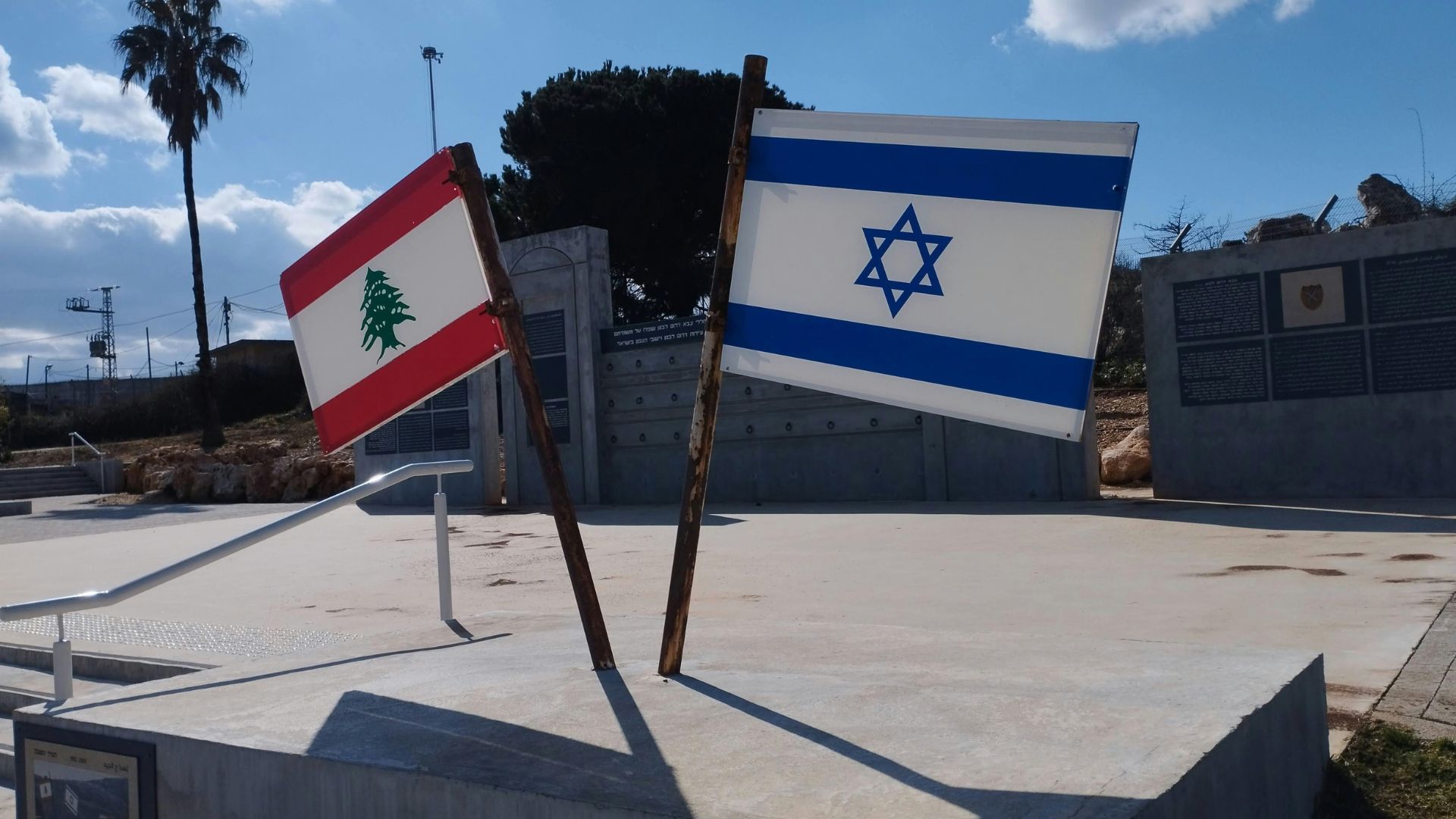
Hostilities between Israel and Lebanon have continued since Hezbollah fired missiles and drones on northern Israel this past March. Though the terrorist organization is backed by its counterpart in Iran, the recently signed peace agreement between the U.S. and Iran does not mandate the withdrawal of either Hezbollah or the IDF from southern Lebanon.
The deal will authorize the Lebanese Armed Forces (LAF) to deploy just north of the Israel border and enable civilians evacuated from Hezbollah enclaves under IDF fire to return to their homes. Whereas Israel seeks total peace with Lebanon, however, the latter only wants de-escalation. Moreover, Hezbollah operatives in Iran and Lebanon refuse to comply with any armistice.
In addition, Iran has refused to sign any nuclear weapons limitation accord unless IDF troops completely pull out of southern Lebanon. Nevertheless, U.S. Ambassador to Israel Mike Huckabee, Israeli Ambassador to the U.S. Yechiel Leiter, and U.S. Vice President J.D. Vance agreed to no such terms, especially since Iran has threatened to resume its attacks on Israel.
Meanwhile, U.S. President Donald Trump proposed that Israel relinquish its war against Hezbollah and let Syria take over from here. Yet officials in Damascus have already expressed their reluctance to engage Hezbollah for fear of alienating the neighbouring Arab nations, particularly when the IDF has not yet withdrawn from the buffer zone it established in Syria.
Pray for:
Enthusiasm Over U.S.-Iran Peace Deal Lowers Crude Oil Prices
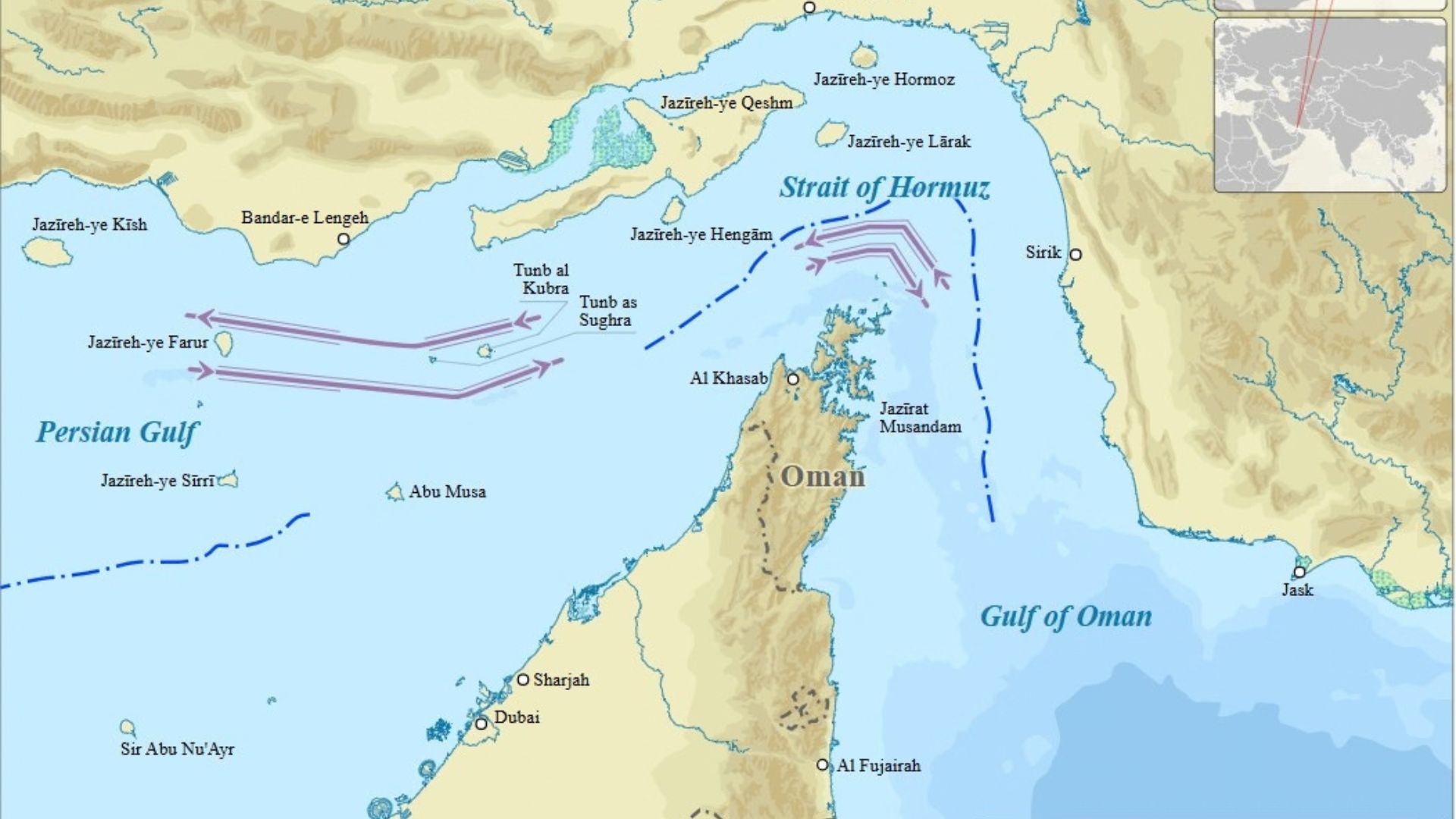
The value of petroleum futures declined by as much as ten percent on nearly all international stock exchanges in response to the promise of the signing of a cease-fire between Iran and the U.S. in Switzerland this week. However, the stability of this price drop will depend on the success of the negotiations that follow.
While Iran requires the lifting of the global economic sanctions resulting from the war, the U.S. insists upon absolutely no escalation of nuclear capabilities on the part of Iran. According to U.S. President Donald Trump, only if the latter criterion is unconditionally met will the Strait of Hormuz fully reopen for business.
The crude oil market was already volatile, and the past three months of conflict between the two nations have only destabilized it further, driving up inflation and the consumer price index while putting a stranglehold on the supply of crude oil as well as the many products derived from it.
Market analysts have encouraged investors and consumers to “curb their enthusiasm” because any discrepancy in the peace accord could both dramatically raise prices and impede traffic on the Strait of Hormuz once again. Though alternate trade routes exist, they do not fully compensate for the closure of the channel linking the Persian Gulf and the Gulf of Oman.
Currently, nearly twenty percent of the global crude oil supply passes through the Strait of Hormuz. Iran maintains it must be able to resume the sale of petroleum and its derivatives immediately upon signing of the armistice. However, spokespersons for both the oil and logistics industries stated that resuming activity on the Strait after a total shutdown could take a very long time.
Pray for:
Hate Indoctrination Prevalent in Palestinian Schools
When former deputy mayor of Jerusalem Fleur Hassan-Nahoum was asked at a recent StandWithUs meeting why people become terrorists, her answer was simple and direct: “Because they have been indoctrinated, that’s why.”
The question was posed in the context of a panel discussion on strategies to dismantle the Palestinian Authority Martyrs Fund(“Pay-for-Slay” program) which provides stipends and allowances to the families of Palestinians who were imprisoned, tortured, or slain under “Israeli occupation”.
Within certain sectors of the global Muslim community, the concept of shuhada or martyrdom in the defence of Islam is considered a noble and virtuous honour. Since the inception of the State of Israel, this philosophy has been taught and promoted in the madrasahs (religious schools) of the Palestinian Authority in Gaza, the West Bank, and East Jerusalem.
Shuhada has also been advocated and encouraged in certain United Nations Agency for Palestinian Refugees (UNRWA) schools. As of 2016, up to 93% of the Arab pupils in the East Jerusalem scholastic system were using the same pedagogical materials as those in the PA and UNRWA schools of the West Bank and Gaza.
However, Dr. Hassan-Nahoum stated that concerted efforts on the part of educators over the past decade have resulted in an Arab-Israeli academic program and a 40% reduction in student participation in the PA agenda. She does not credit the governments, NGOs, or the UN for these improvements, claiming that some of their members have fallen for PA propaganda themselves.
Pray for:
New Jewish-Arab Party Chartered Before Elections
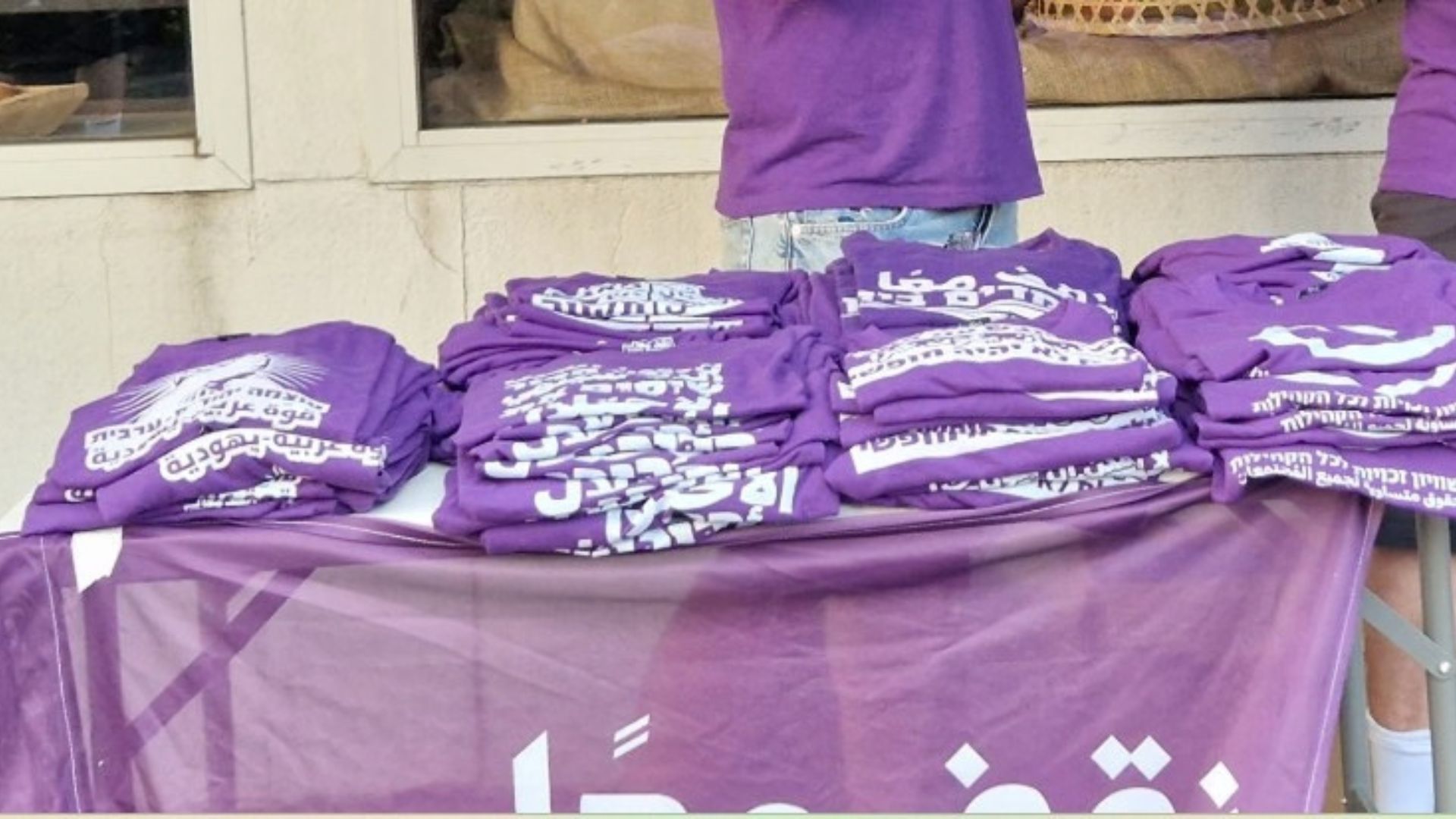
A new political party titled A Place for Us All (Makom Lekolanu) has just been launched in Israel—well in advance of the Knesset elections which must take place no later than October 27 of this year.
The secular centre-left party was founded by members of the grassroots Standing Together (Ammudim Beyachad) movement established in 2015. The aims of Standing Together were to advocate for peace initiatives between Israelis and Palestinians and to foster harmony between Arab and Jewish Israeli communities.
According to its founders Alon-Lee Green and Rula Daoud, A Place for Us All, like its predecessor Standing Together, will zero in on the core day-to-day issues that affect most citizens and prospective voters, including violent crime rates, civilian security, the ongoing wars against terrorism and Iran, housing prices, and the overall cost of living.
Green and Daoud, speaking on behalf of A Place for Us All, stated that they hope to gain seats in Knesset and, if possible, depose the current leadership there. They intend to reach Israeli youth with appeals for peace between Palestinians and Israelis, national and civic equality, and social justice.
The leaders of A Place for Us All went on to say they will also actively seek the engagement of women as well as ordinary citizens who had no prior interest or engagement in the political and civic affairs of Israel.
Makom LeKolanu will join the ranks of 42 other chartered Israeli political parties with no seats in Knesset. At present, 13 other parties occupy at least one seat in the Israeli parliament. However, the Members of Knesset (MKs) voted 106-0 in favour of sponsoring a federal bill dissolving Knesset at its first reading. The exact autumn election date will be confirmed by the third reading at the very latest.
Pray for:
Living Waters Conference in Israel
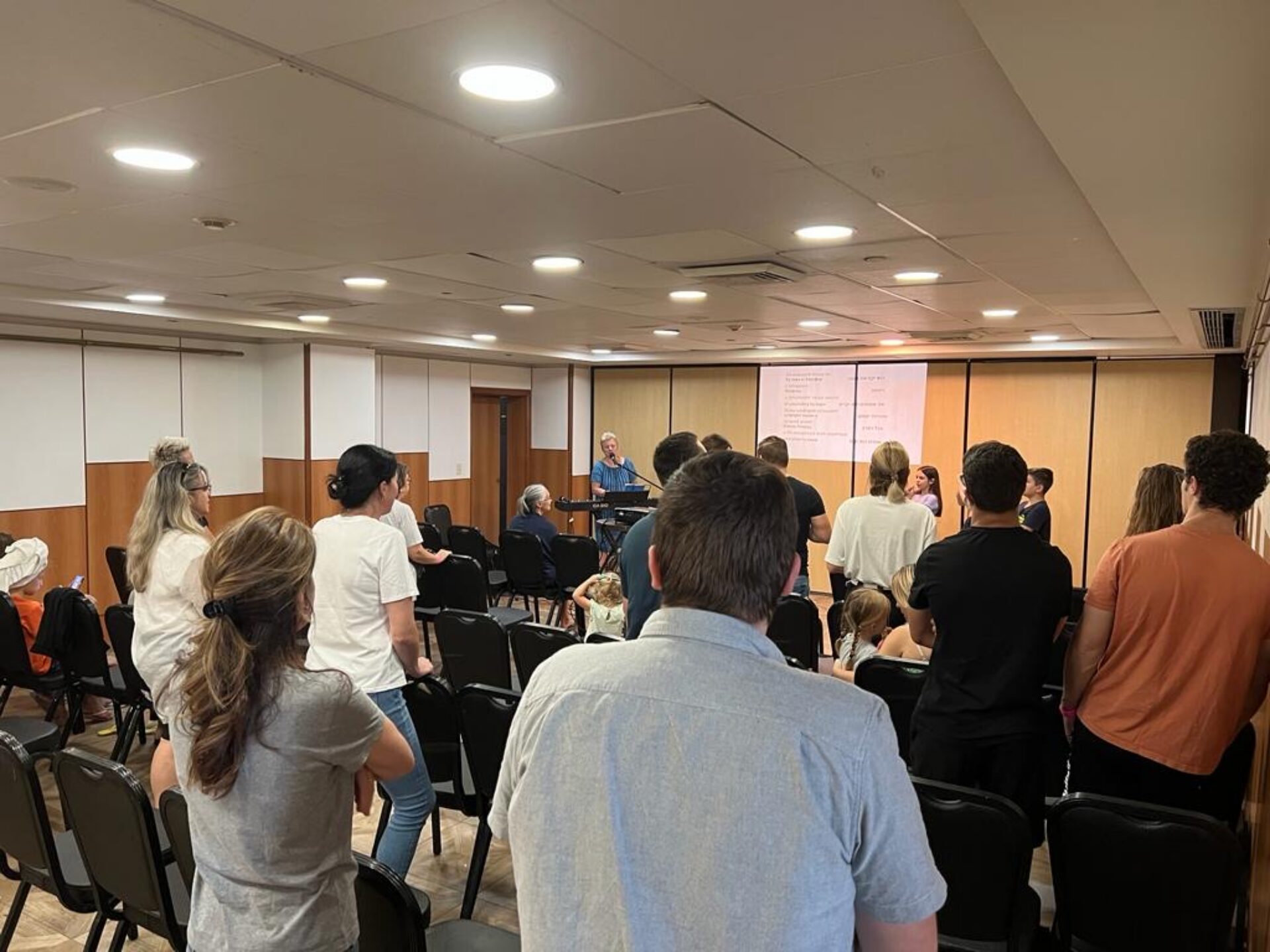
Recently in Israel, Chosen People Ministries gathered forty young adults and some of our Israeli staff for a weekend of excellent Bible teaching, worship, and fellowship—it is a program called “Living Waters” that takes place every late spring. It is a unique time to get away from the regular schedule and busyness of life to spend quality time in the Word, prayer, and time with family or friends. This year, there were a few that came straight from their reserve duties along the northern border or border with Gaza while others had to report for duty as soon as the conference was over. As time was spent in prayer for people’s requests, it was evident that many were feeling tired or burnt out and were grateful to be together. Each person who came is uniquely involved in ministry within their congregation, such as serving with youth or young adults’ group, worship teams, evangelism, or discipleship. This group truly is a representation of the growing and maturing body of believers in Israel. Please keep them in your prayers, and for the hundreds like them that are young adults serving the Lord with their whole heart, mind, and soul.
Please pray for these incredible young adults as they seek to serve and share about Jesus with others!
URL has been copied successfully!
